
Military Tire Disassembly & Runflat Machine
Explore military tire disassembly with GM Defensive's NATO-certified runflat machines — safe, fast, and proven for tactical vehicle fleets.
Read MoreRun-flat resource
Comprehensive guide to HEMTT truck run-flat systems, Hutchinson run-flat insert replacement, military truck tire maintenance, and selecting runflat machines for heavy logistics vehicle fleets.
The Heavy Expanded Mobility Tactical Truck (HEMTT) is the primary heavy logistics platform for the U.S. Army and numerous allied forces worldwide. Produced by Oshkosh Defense, the HEMTT family includes cargo carriers (M977), fuel tankers (M978), wrecker recovery vehicles (M984), and ammunition carriers that collectively form the logistics backbone of brigade combat teams.
Each HEMTT variant relies on large-diameter wheels equipped with Hutchinson run-flat inserts that enable continued mobility after tire damage — critical for logistics convoys operating in areas where improvised explosive devices (IEDs) and ballistic threats target soft-skinned and armored logistics vehicles alike.
The sheer size and weight of HEMTT wheel assemblies — with rims ranging from 20 to 24 inches — makes tire and run-flat maintenance one of the most physically demanding tasks in military motor pool operations. Without a dedicated run-flat machine, maintenance teams face prolonged service times, increased injury exposure, and potential damage to expensive Hutchinson inserts during manual removal attempts.
Hutchinson is the predominant manufacturer of military run-flat inserts used across NATO and allied defense forces. The Hutchinson run-flat system consists of a precisely engineered rubber or composite ring that sits inside the tire cavity, resting on the rim. When tire pressure is lost, the run-flat insert bears the vehicle's weight and maintains a degree of mobility — typically allowing continued operation at reduced speed for a specified distance.
The Hutchinson run-flat installation process requires the insert to be press-fitted into the tire with precise alignment and specified lubrication. Improper installation — such as uneven seating, insufficient lubricant, or misaligned inserts — can lead to premature insert failure, uneven tire wear, and compromised run-flat performance when the system is most needed.
A hydraulic run-flat changer machine ensures consistent insertion force and alignment across the full circumference of the insert, eliminating the variability inherent in manual or improvised installation methods.
The run-flat replacement workflow for HEMTT trucks follows a structured maintenance sequence: wheel removal from the vehicle (typically requiring a crane or heavy forklift due to assembly weight), secure positioning on the runflat machine platform, complete deflation, beadlock or locking-ring hardware removal, hydraulic bead separation, and controlled insert extraction.
For HEMTT wheels, the extraction force required to remove a fully seated Hutchinson insert is substantially higher than for lighter tactical vehicles like the HMMWV. This makes machine-assisted extraction not merely convenient but operationally essential. The GMR-023 Workshop Model is engineered for exactly this class of heavy-duty tire work, with hydraulic systems calibrated for the forces involved in HEMTT, MRAP, and similarly demanding wheel assemblies.
After insert removal, the maintenance sequence continues with rim inspection, cleaning, new tire mounting, insert lubrication and hydraulic installation, bead seating, locking-ring installation, and final inflation to operating specifications.
When procuring runflat machines for military trucks, logistics planners should evaluate the full scope of wheel assemblies in their inventory — not just the dominant vehicle type. A single brigade may field HEMTT, HMMWV, FMTV, JLTV, and Stryker platforms, each with different rim sizes, insert types, and tire specifications.
The ideal procurement strategy selects machines with the widest rim compatibility range (16–27 inches covers most NATO standard military wheels), sufficient hydraulic capacity for the heaviest assemblies in the fleet, and deployment configurations that match the unit's maintenance concept — fixed workshop for garrison, containerized for semi-permanent forward sites, or trailer-mounted for maximum field mobility.
Long-term support factors including operator training, technical documentation, spare-parts availability (15-year programs), and warranty coverage should receive equal weight alongside technical specifications during the procurement evaluation process.
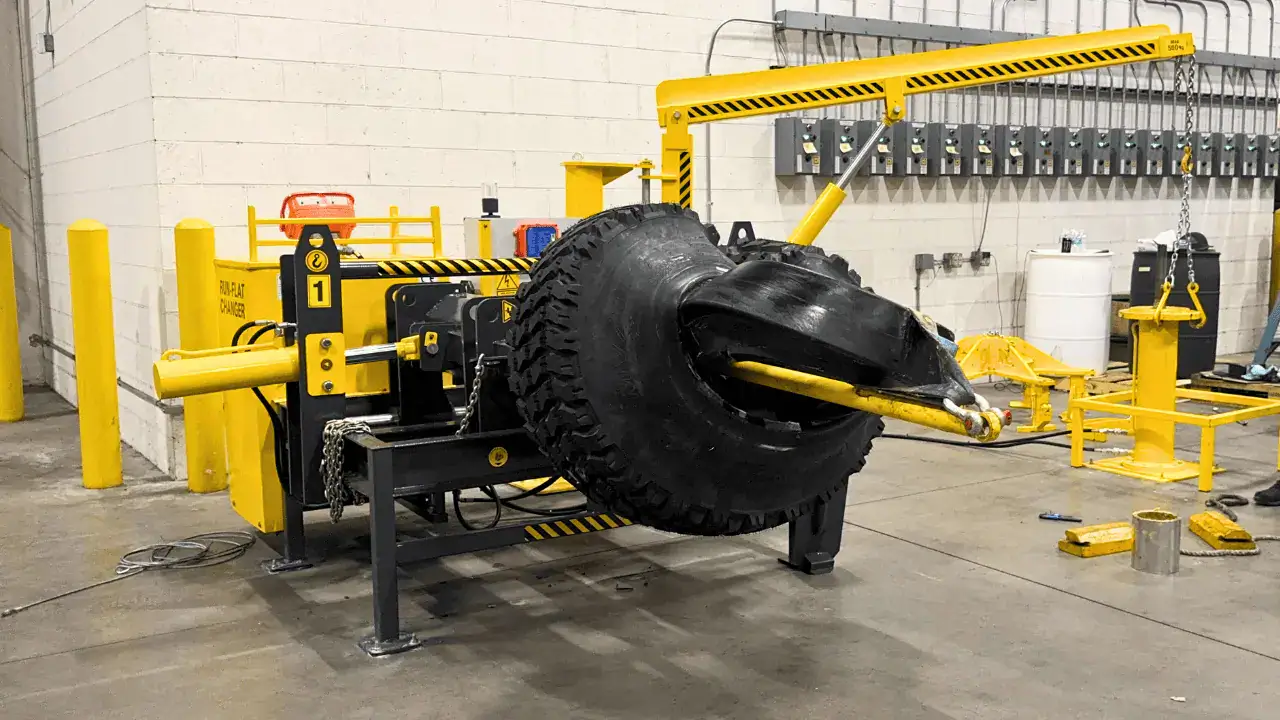 run flat machine
 Explore military tire disassembly with GM Defensive's NATO-certified runflat machines — safe, fast, and proven for tactical vehicle fleets.
Read More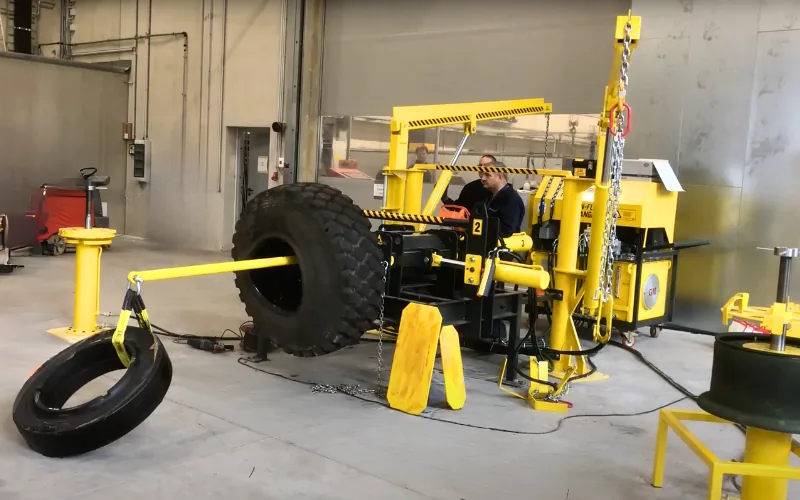 run flat machine
 Discover GM Defensive's NATO-certified military tire disassemble tool — a safe, fast solution for run-flat removal and installation.
Read More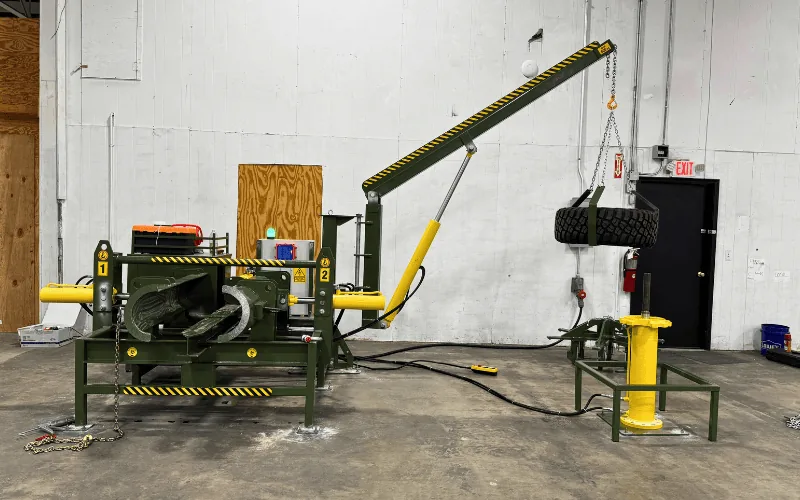 run flat machine
 Discover the innovations in GM Defensive's run-flat tire changers and how they stack up against competitors in military vehicle maintenance.
Read More